Strengthening Local Skills and Indigenous Knowledge for Sustainable Economic Development
Local skills and indigenous knowledge systems are more than cultural heritage they are living economic assets. Rooted in generations of practice, adaptation, and creativity, they form the backbone of resilient and inclusive economies. When properly recognized, strengthened, and connected to modern value chains, these skills can drive employment creation, entrepreneurship, and sustainable growth at both local and national levels.
In many African countries, including Ethiopia, indigenous knowledge has long sustained communities, supported livelihoods, and fostered innovation long before formal training systems were introduced. Today, the challenge is not whether these skills exist—but how they can be strengthened, upgraded, and integrated into formal development frameworks.
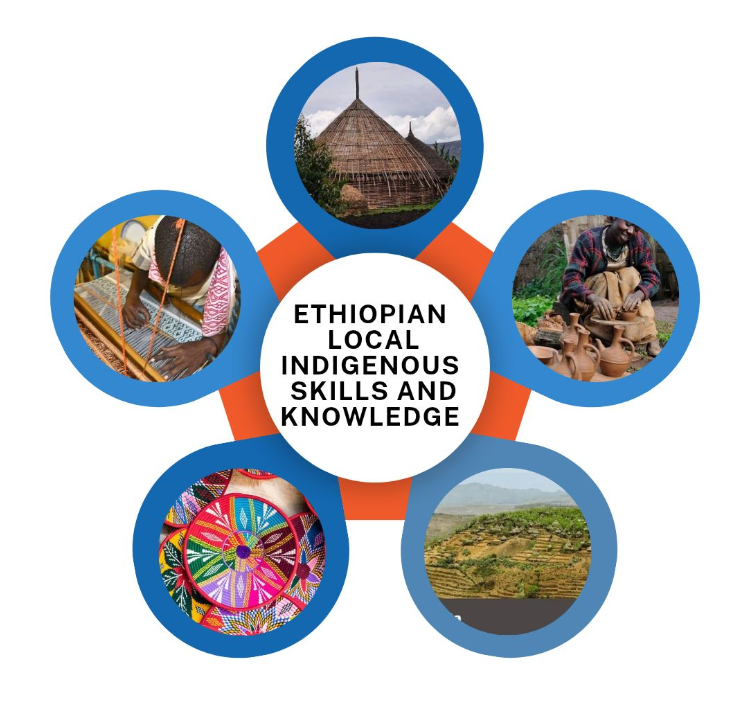
Ethiopia, in particular, is endowed with a rich diversity of indigenous skills developed and transferred within communities across generations. These include, but are not limited to:
• Traditional textile weaving and garment making
• Handicrafts and artisan production (pottery, basketry, wood carving, metal works)
• Indigenous agricultural and pastoral practices
• Leather processing and footwear making
• Traditional construction and housing techniques
• Food processing and preservation methods
• Herbal medicine and traditional health practices
• Traditional musical instrument making and cultural arts
These practices continue to sustain livelihoods across rural and urban communities. They represent not only income-generating activities, but also systems of knowledge deeply connected to identity, environment, and local resources.
However, many of these skills remain informal, under-documented, and insufficiently linked to modern markets. Without structured support, they risk declining in competitiveness or being lost altogether. This is where policy frameworks and structured TVET systems become critical.
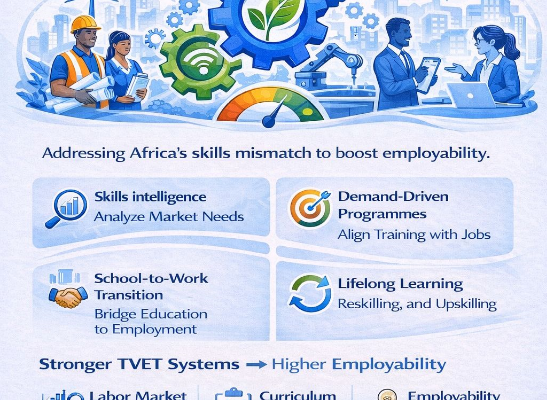
Ethiopia’s national TVET reform agenda, alongside continental frameworks championed by the African Union, emphasizes relevance, inclusivity, quality, and labor-market responsiveness. The Continental TVET Strategy highlights skills development as a foundation for industrialization, value chain development, and youth employment. Both frameworks recognize that homegrown skills and indigenous knowledge are not relics of the past—they are engines of transformation when strategically leveraged.
Within this context, TVET institutions play a strategic and catalytic role. They can:
• Identify and systematically document indigenous skills and local production systems
• Standardize and upgrade traditional practices to improve quality, productivity, and safety
• Integrate local knowledge into formal curricula while preserving cultural authenticity
• Facilitate intergenerational skills transfer to ensure continuity and innovation
• Link training with entrepreneurship development and market demand
• Support product development, branding, and value addition to increase competitiveness
When indigenous skills are aligned with national and continental TVET priorities, they move beyond informal survival activities. They become structured economic assets capable of contributing to export markets, tourism, manufacturing supply chains, and local industrial clusters.
Strengthening local skills also supports inclusive growth. It creates opportunities for women, youth, and rural communities who may otherwise face barriers to formal employment. By recognizing and upgrading what communities already know and practice, skills development becomes both culturally grounded and economically strategic.
Sustainable development does not require replacing traditional knowledge with imported models. Rather, it requires bridging indigenous systems with modern standards, technology, and market access. This balanced approach ensures preservation while enabling growth.
At Mohas Consult, we believe that integrating local knowledge into structured skills systems is not only a cultural responsibility—it is an economic imperative. By aligning indigenous competencies with competency-based training frameworks, quality assurance mechanisms, and value chain strategies, countries can unlock new pathways for job creation and enterprise development.
We invite your perspective:
How can TVET institutions more effectively operationalize national and continental strategies to preserve, upgrade, and scale local knowledge systems—while ensuring they remain competitive in evolving markets?