Building a Coach-First Mobile Solution: Hackathon Presentation and University Collaboration
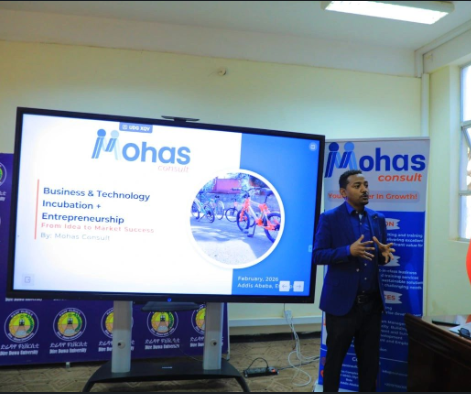
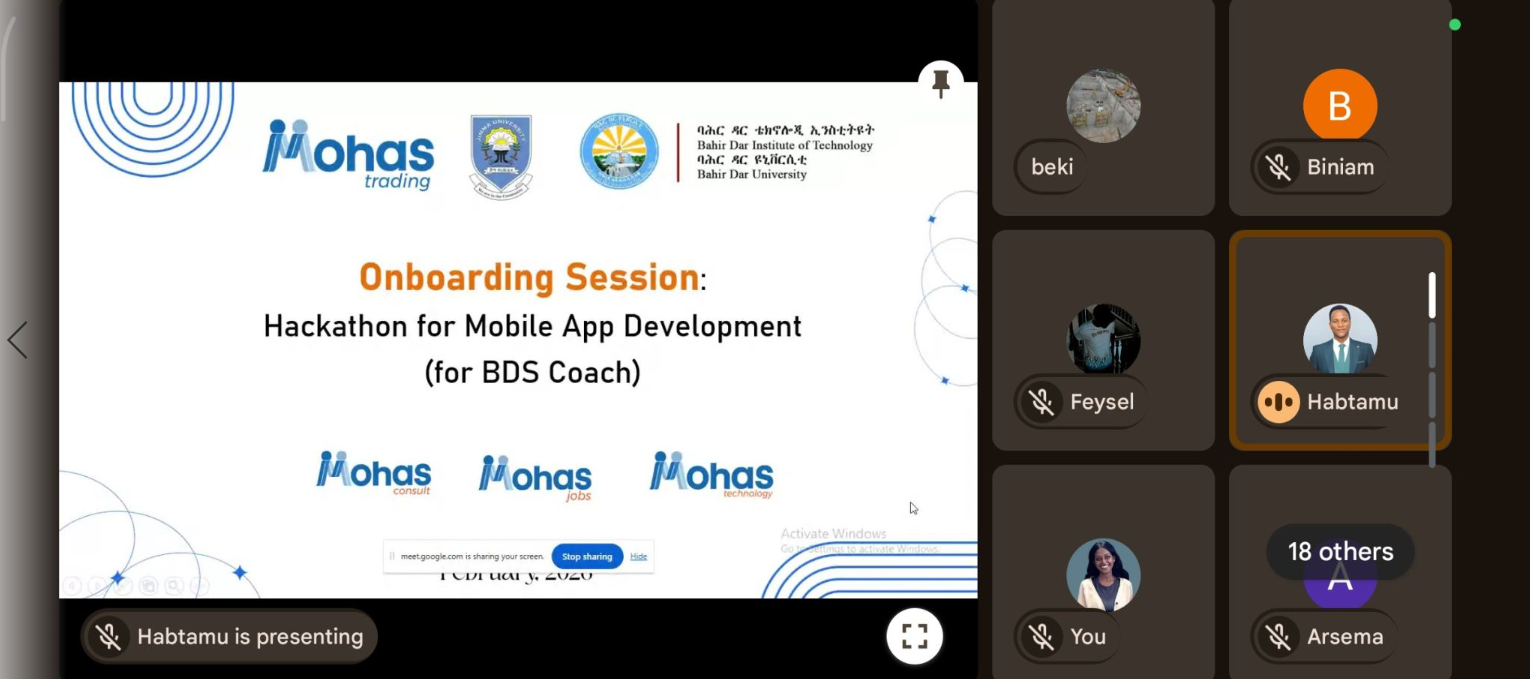
Innovation thrives at the intersection of technology, collaboration, and real-world problem solving. In line with this vision, Mohas Technology and Mohas Nexus successfully hosted a virtual presentation and engagement session for the Building a Coach-First Mobile Solution Hackathon. The event brought together students, academic institutions, and technology innovators to explore how mobile solutions can strengthen coaching, learning, and skills development.
The session served as an important milestone in launching the Hackathon and creating a shared understanding among participants and partners. It introduced the concept, objectives, and broader impact of the coach-first mobile approach—an approach designed to empower coaches, mentors, and facilitators with tools that enhance their ability to support learners effectively.
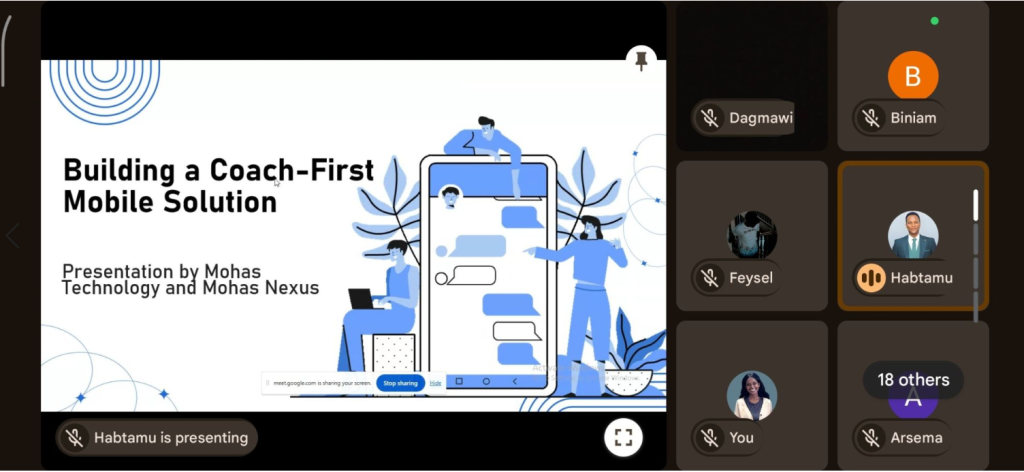
The presentation covered several key areas:
🔹 Introduction to the Hackathon and its objectives – Participants were introduced to the Hackathon’s purpose: to encourage students and emerging developers to design innovative mobile solutions that address real challenges faced by coaches and learners. The Hackathon provides a platform for practical learning, creativity, and applied problem solving.
🔹 Background and rationale behind the coach-first mobile approach – The session highlighted the importance of supporting coaches as central enablers of learning and skills development. By equipping coaches with digital tools, institutions and programs can improve communication, track learner progress, provide timely feedback, and enhance overall training effectiveness.
🔹 Proposed implementation strategy – Participants gained insight into the planned development pathway, including ideation, design, prototyping, and evaluation stages. The Hackathon is structured to ensure that participants not only generate ideas, but also develop practical, user-centered solutions grounded in real needs.
🔹 Core application features – The proposed mobile solution focuses on improving interaction between coaches and learners, enabling performance tracking, structured feedback, progress monitoring, and enhanced communication. These features aim to strengthen coaching effectiveness and improve learning outcomes across training and educational environments.
The level of interest in the Hackathon has been both encouraging and inspiring. A total of 96 applicant groups submitted proposals, demonstrating strong enthusiasm for innovation and digital solution development. Following a competitive and merit-based selection process, 40 groups have been selected to advance to the next stage of the Hackathon. This includes 15 groups from Jimma Institute of Technology and 25 groups from Bahir Dar Institute of Technology, representing some of the country’s most promising student innovators.
We were honored to collaborate closely with Jimma University and Bahir Dar University, whose students and academic communities demonstrated exceptional engagement and commitment. The discussions highlighted the importance of user-centered design, practical innovation, and the role of universities as hubs for creativity and technological advancement.
This initiative reflects Mohas Technology and Mohas Nexus’s ongoing commitment to fostering technology-driven learning ecosystems and strengthening academia-industry collaboration. By engaging students in real-world innovation challenges, the Hackathon creates opportunities for participants to apply their skills, gain hands-on experience, and contribute to meaningful solutions with real impact.
Beyond the immediate Hackathon, this effort contributes to a broader goal: building digital tools that enhance coaching systems, support skills development, and improve learning experiences. It also reinforces the importance of empowering young innovators and providing platforms where their ideas can grow into scalable solutions.
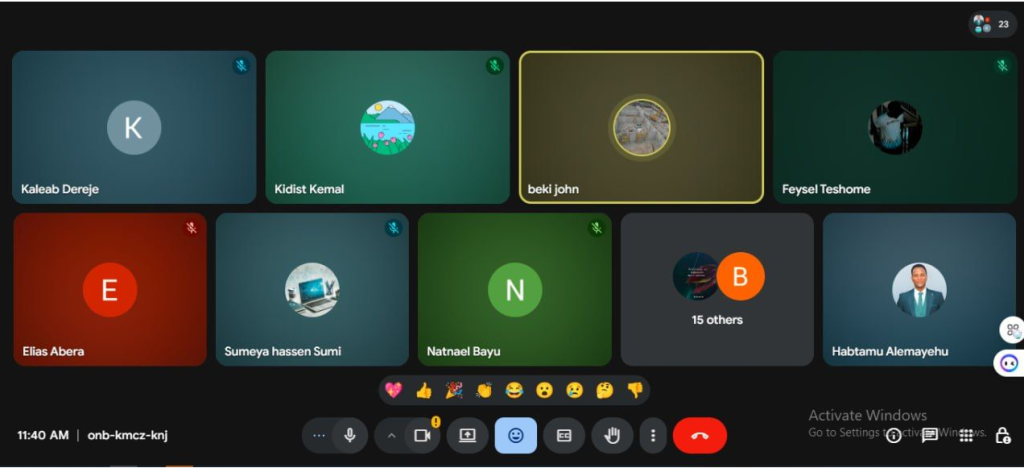
We look forward to the next phases of the Hackathon and to the creative ideas, prototypes, and innovations that will emerge. Through collaboration, innovation, and shared commitment, initiatives like this help shape the future of digital learning and empower the next generation of problem solvers.